Good photography does not necessarily require the most expensive camera or sophisticated equipment. The most effective tool, however, comes for free to everyone – natural light. Acquiring knowledge on how to make use of natural light will allow you to take photographs with increased depth, mood, texture, and visual appeal without having to engage in complex arrangements.
1. Understand the Direction of Light
The source of light plays a significant role in determining the quality of your photography. Front lighting makes the subject appear well lit, while side lighting lights the subject from one angle and creates more depth to the photo. Backlighting is when the light comes from behind your subject and can make Mumbai escorts photos look more dramatic.
Try not to place yourself in front of the light all the time. Just slight movement can alter the feel of your photo.
2. Make the Most of Golden Hour
The golden hour is the time just after sunrise and before sunset. It is basically when the sun is near the horizon. This type of lighting tends to be softer and more golden than the harsh sunlight at midday, and is ideal for portrait photography and taking photographs outdoors.
Photography done with low-angle lighting has been known to produce highlights and shadows. In the case of outdoor photography, you can plan your timing of shooting based on knowing the time of sunrise or sunset.
3. Use Window Light for Indoor Photography
The need for a professional studio is not essential for finding beautiful lighting indoors. A big window can serve as a natural softbox that can give you soft lighting suitable for portrait, food, or lifestyle photography.
Position your subject in front of a window and see how light falls on them. You can use sheer curtains to make the light softer, as well as adjusting the distance between the subject and the window to change its strength and contrast.
4. Learn to Work With Shadows
It is not always necessary to get rid of shadows. They can be used effectively in a photograph to give it depth, contrast, and personality. If it is daytime, find areas that are partially shaded under trees, buildings, or any other structure.
A basic reflector or even a white wall can be used to bounce some light into darker areas of the photo.
5. Don’t Ignore Overcast Days
Cloudy weather is likely to be favorable for taking pictures. The reason for this is that the clouds will scatter light, providing soft and even lighting, which Ahmedabad escorts may find useful. This is generally an advantage when it comes to portrait photography or close-ups.
Do not see cloudy weather as a reason to call off your photography plan. Rather, use it as an opportunity to take some of the greatest photos you’ve ever taken.
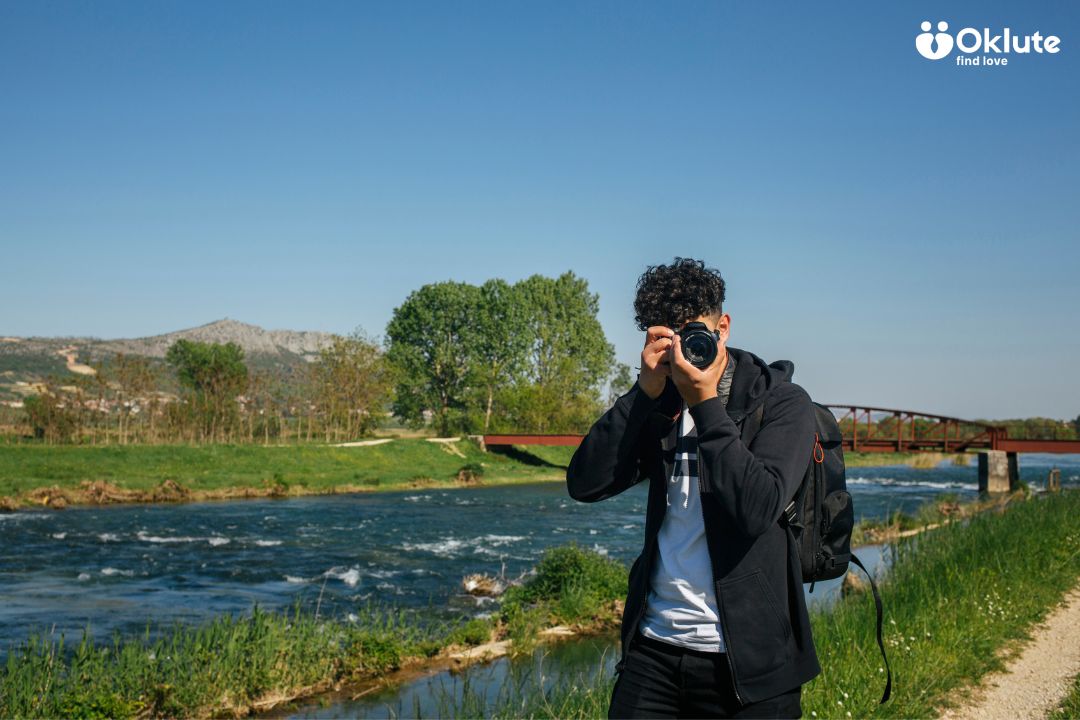
6. Adjust Your Camera Settings to the Light
Lighting is often very dynamic, which means you have to know how to change your settings to adapt. ISO changes how sensitive the camera is to lighting, whereas shutter speed alters exposure and motion. The aperture determines how much light goes through the lens.
You don’t have to learn all the settings right away. It is better to start with just one at a time to see how it impacts your picture.
7. Experiment, Observe, and Practice
In order to have a good grasp of natural light, one should observe it. Take photos of the same object at different times of the day, such as early morning, afternoon, and evening, allowing Birmingham escorts to explore different lighting conditions. Try out different angles and positions.
How Natural Light Shapes Mood and Emotion
Not only does light help illuminate a photograph, but it also influences the mood of the photo. If the light is soft and warm, then it helps to create a relaxing mood, while hard light creates a mood that is very lively. The effect of cooler and diffuse lighting creates a mood that is more reflective.
Final Thoughts
Using natural light for good photography purposes means training yourself to observe. Before considering new accessories, first take into account the light available to you. With enough observation, trial, and experience, natural light may end up being one of your most creative photography tools.